Tackling the essentials at Brandvlei.
The road to Brandvlei is rarely just a physical journey; it is a transition into a different pace of life, where progress is measured in the turn of a wrench and the hum of a newly energised circuit. In August 2007, we returned to our Karoo sanctuary for a focused, three-day "foundational" mission. Our goal was simple yet ambitious: to transform the self-contained outbuilding from a mere structure into a functional "Base-camp" capable of sustaining us through the long renovation ahead.
The expedition began in the quiet, pre-dawn chill of Cape Town. By 4:00 am on Thursday, August 9th, we were already heading north, towing a smaller, more nimble trailer than the one that had groaned under the weight of our Easter haul. We pulled into Brandvlei just after 10:00 am to find the weather uncharacteristically kind—the biting winter winds had softened into a tolerable, mild afternoon that beckoned us to get to work.
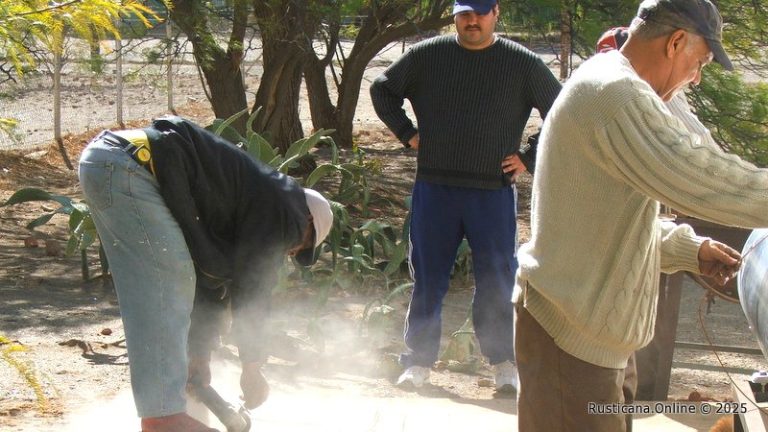
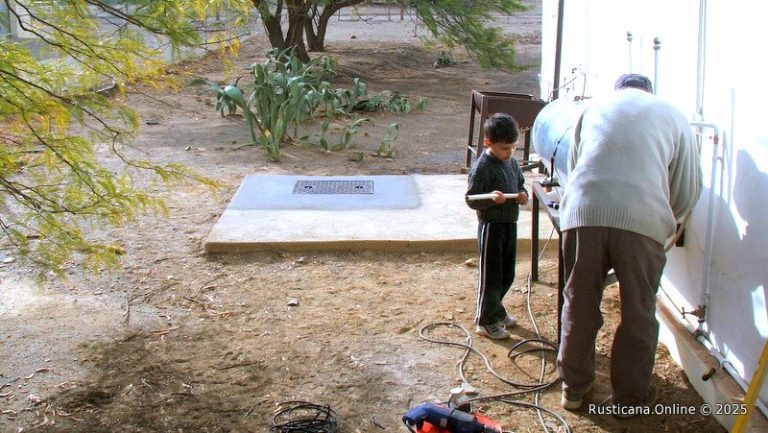
Efficiency was the theme of the day. Within thirty minutes of arrival, we were unpacked and tackling the first priority: replacing the pressure relief piping on the granny flat’s hot water cylinder. It was a vital safety upgrade, ensuring the system could handle the literal and figurative pressure of the days to come. While my father and I wrestled with the plumbing, my wife—now six months pregnant and a pillar of resilience—took charge of the interior. She spent the afternoon transforming the dusty flat into a habitable space and preparing a meal that felt like a luxury after the six-hour drive.
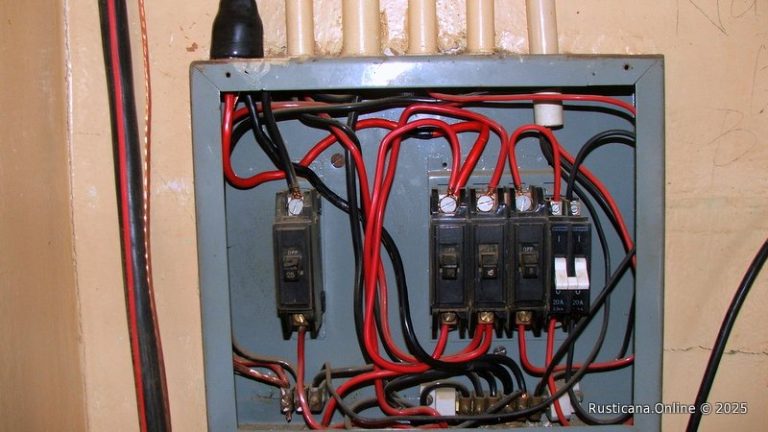
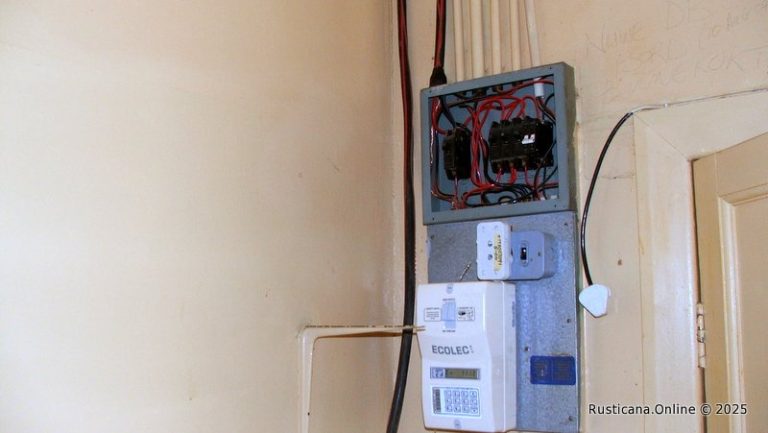
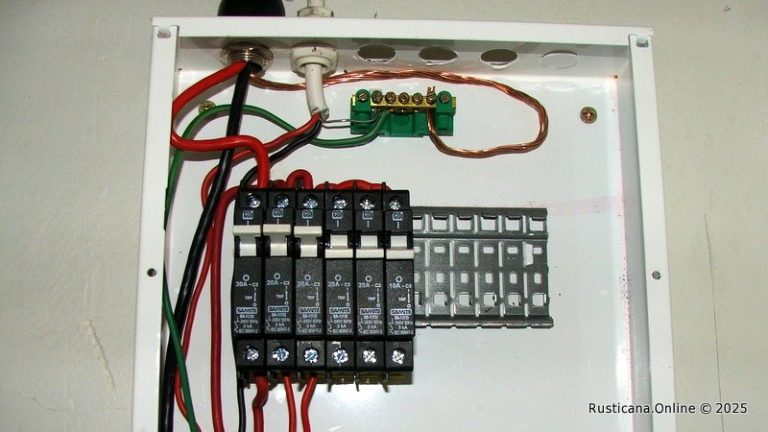
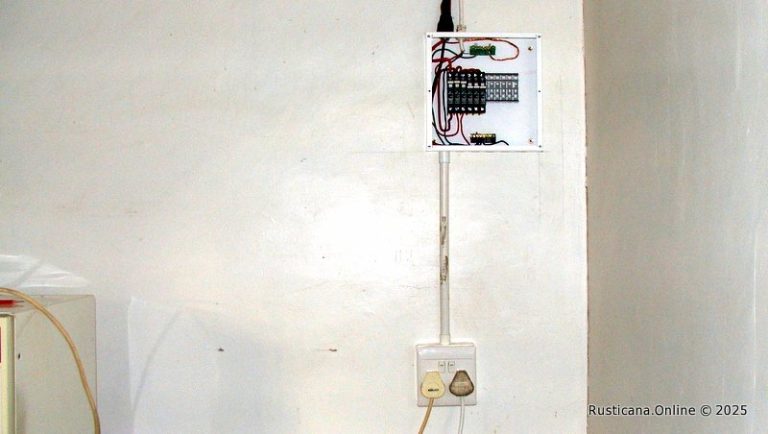
Friday, August 10th, marked a watershed moment for the property. At 8:30 am, we began the delicate task of connecting the main electrical line from the primary house to the granny flat’s distribution panel. In a renovation, there are few sounds more rewarding than the click of a circuit breaker that actually stays up. For the first time, we had a dedicated power socket in the kitchen and, more importantly, a fully operational geyser.
While local contractors worked outside to install a new manhole for the septic tank—a gritty but essential piece of the infrastructure puzzle—we celebrated the "energising" of the flat. However, as is often the case with heritage properties, solving one problem illuminated another. The sudden load of the hot water cylinder proved a bridge too far for the main house’s ageing distribution board. It began to protest, signalling quite clearly that a full electrical overhaul of the primary residence was no longer a "someday" project, but a "now" priority.
Throughout these hurdles, my father remained the steady heartbeat of the project. His calm demeanour and encyclopedic trade knowledge turned potential disasters into mere inconveniences. By the time we hit the road at 8:55 am on Saturday, arriving back in Cape Town by mid-afternoon, we felt a profound sense of accomplishment. We had secured the essentials: hot water, light, and power. The "Aidan House" of our dreams—the future Rusticana—was no longer just a shell; it was a home beginning to wake up.