Framing and preparing the “Plug”
Gallery in post below.
Turning a set of paper plans into an actual boat takes the kind of patience most people just don’t have. Long before you ever see a finished mould, everything hinges on the "plug"—the wooden framework that sets the shape for everything that comes after.
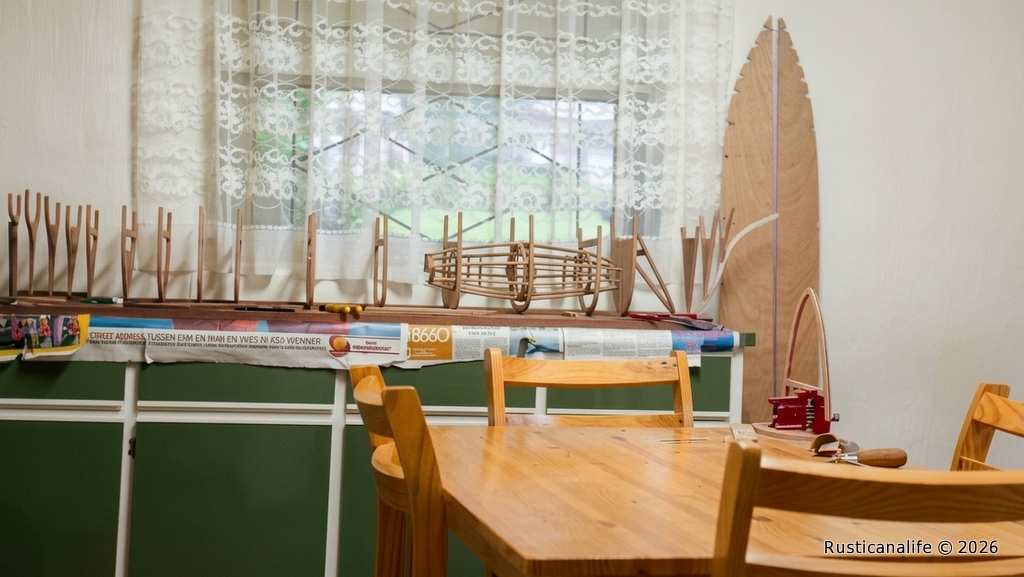
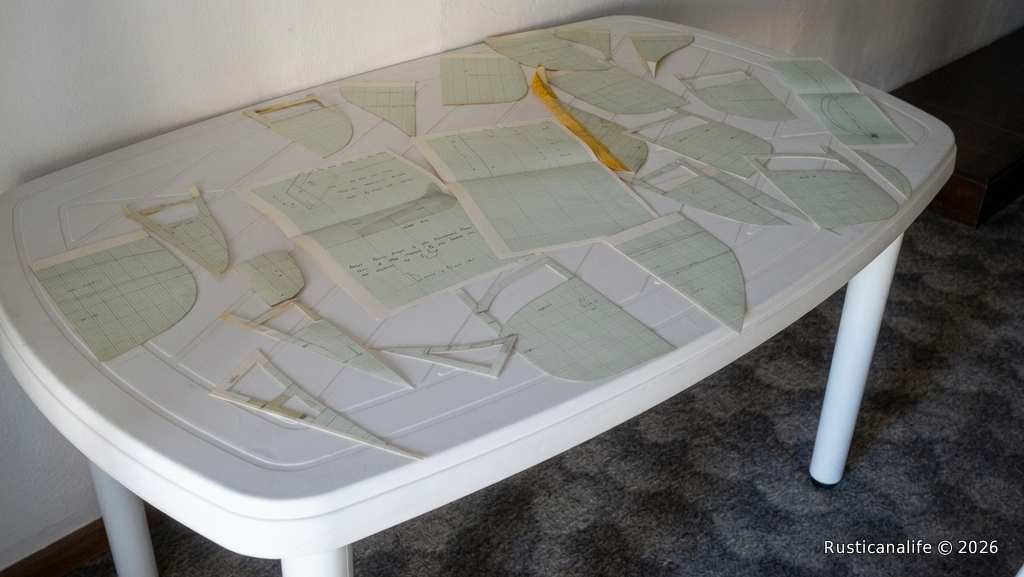
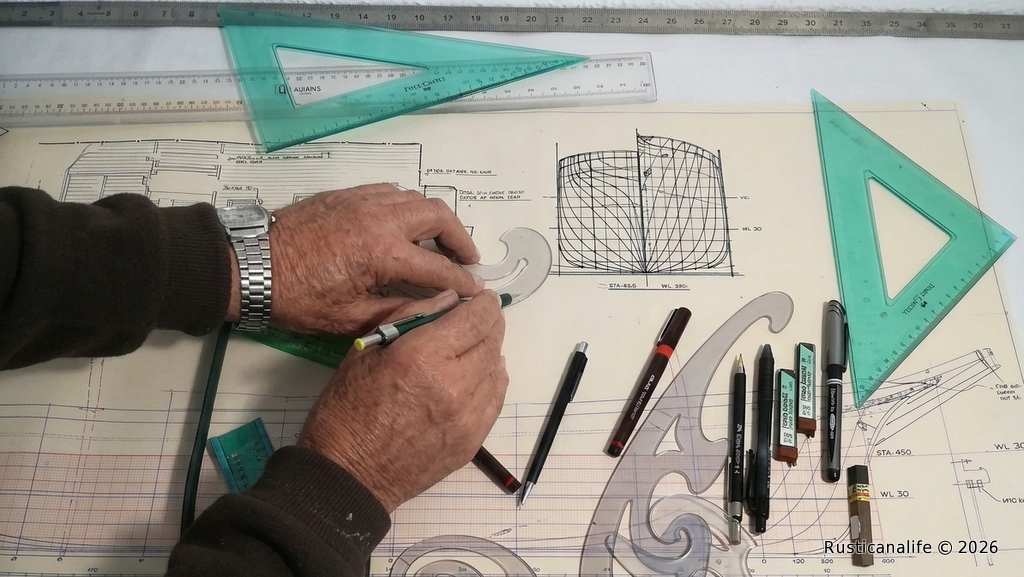
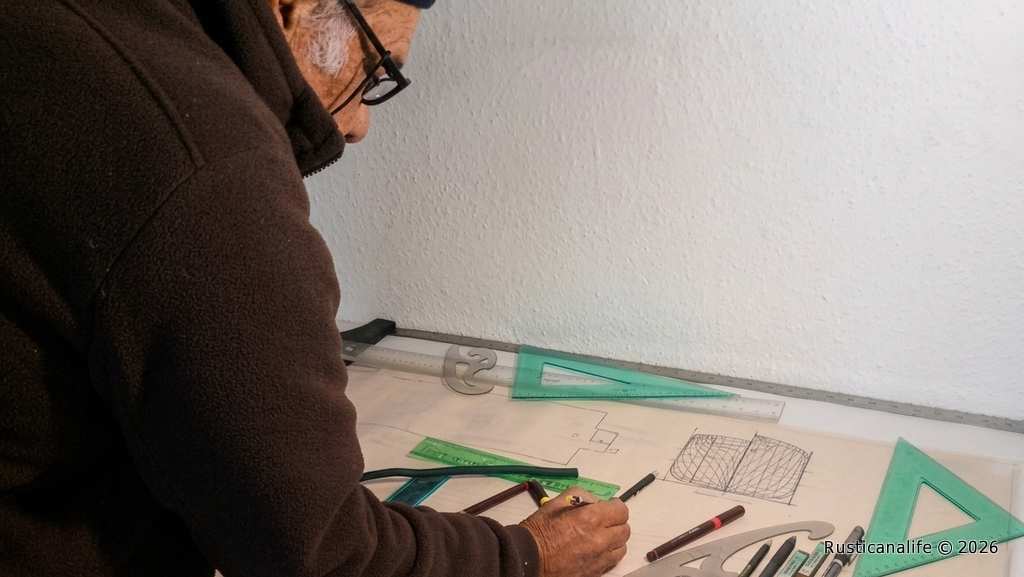
Watching my father tackle that process in the early 1980s was something else. Before a mould could even be thought of, he spent countless hours measuring, cutting, and setting up the hull frames. It wasn't just physical labour; it was a mental endurance test. He had to make sense of complex blueprints, reading offset tables and station lines, then translate those flat lines into a perfectly balanced, three-dimensional structure. If you’re off by even a fraction of a millimetre at that stage, the error multiplies down the length of the hull, ruining the boat's lines and how it handles in the water, even though this model would never see the water; it was his way of thinking that counted.
Back then, I’d join him at our kitchen table and help where I could. The room always smelled like freshly sawn timber and cold glue, lit up by yellow work lamps long after the sun went down. I’d watch him pore over the drawings, carefully lofting the lines onto boards, setting up shadow frames, and fairing the structure with balsa wood until it was dead right. The days merged into long, quiet nights, marked by the steady scrape of hand tools and a growing pile of wood shavings on the floor.
To anyone looking in from the outside, it probably looked like a tedious grind of endless measuring and sanding. But for my father, it wasn't a tedious chore or just another weekend project—it was the pursuit of a dream he’d carried for years. Helping him during those late nights gave me a real, lasting respect for true craftsmanship: that rare space where technical skill, patience, and genuine passion all come together.