Sanding, line work, and shared hands
Gallery in post below.
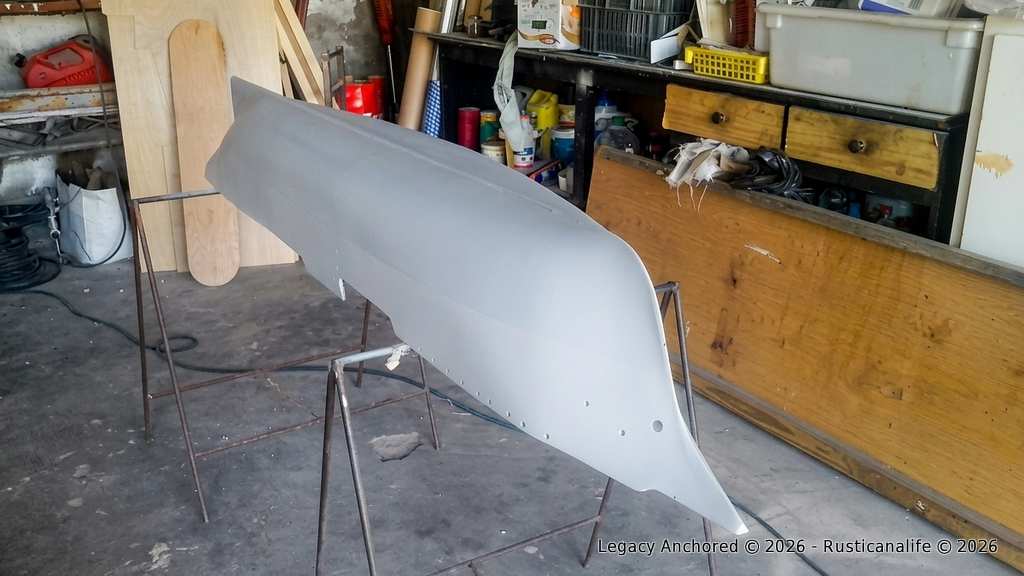
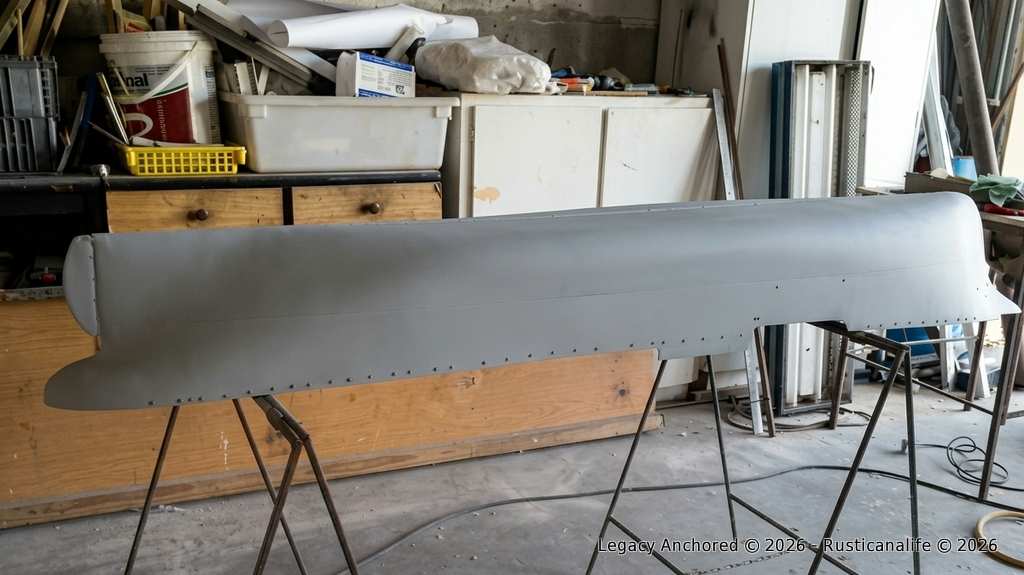
With the main structure of the fibreglass hull finally out of the mould, the long, quiet work of surface prep began. Getting a hull ready for paint is a real test of patience, where your hands are just as important as your eyes for feeling out every tiny bump, pinhole, or imperfection that the light might miss.
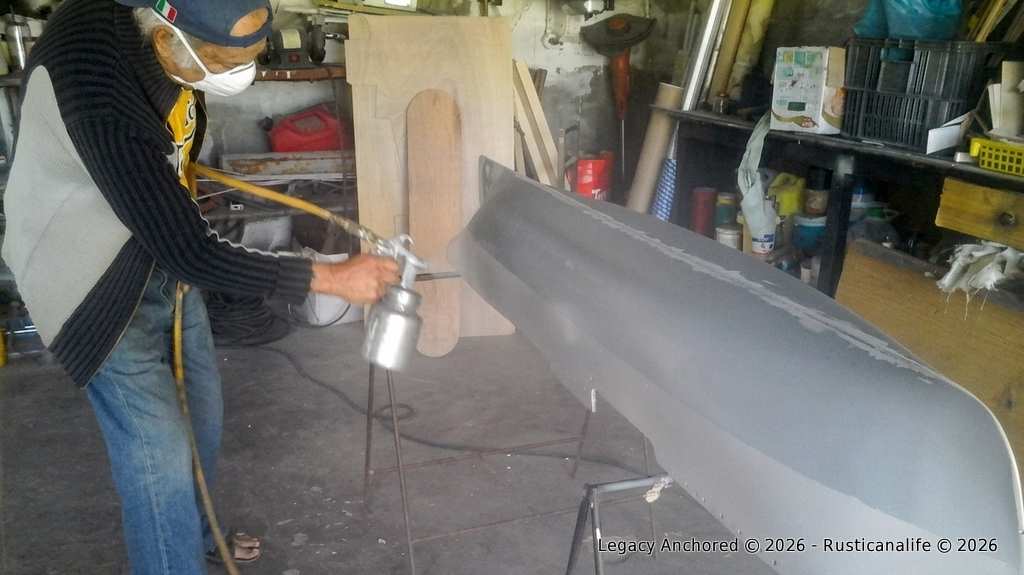
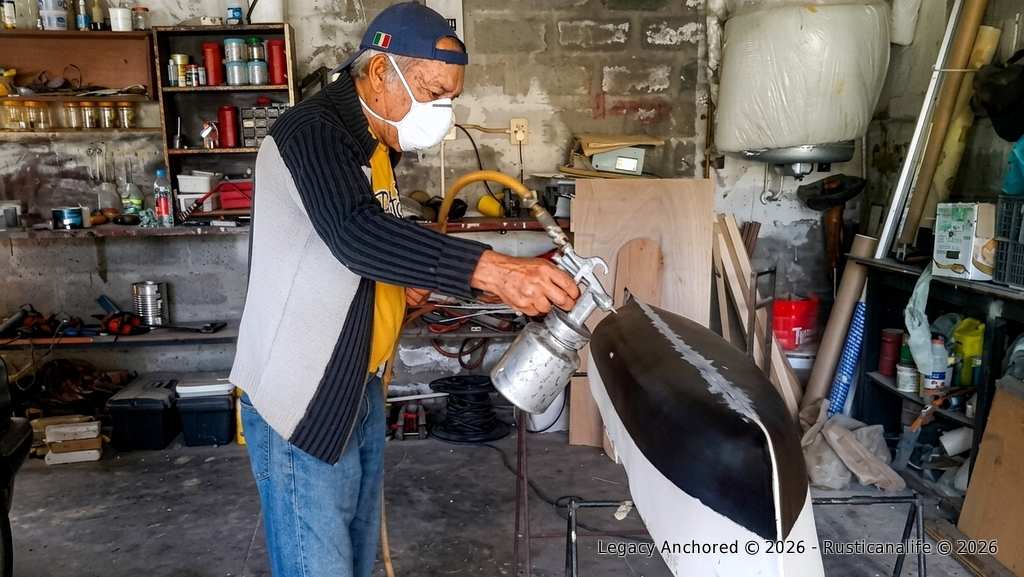
Because the prep work was such a mammoth task, it quickly turned into a true family effort. My youngest brother and my son both got deeply involved alongside my dad, rolling up their sleeves to share the heavy lifting, marking out lines, sanding, and spray-painting some of the primer coats. Together, they spent endless hours sanding down the outer surface, smoothing out the rough edges and working the curves until the entire hull felt completely uniform under their palms.
Once the surface was ready, they moved on to one of the build's most critical steps: marking out the waterline. Striking a clean, accurate waterline isn't something you can rush. It took careful measuring against the original plan drawings to make sure the draft line sat exactly where it should, preserving the vessel's authentic trim and historic balance.
After laying in the line, they gave the whole hull one final, gentle pass with fine-grit sandpaper—just enough to clear away any remaining dust and scuff the surface so the paint would grip properly. Standing back to look at it, stripped of all its rough spots and perfectly calibrated, you could finally see the true shape of the ship coming through. With all that shared effort behind them, the hull was finally ready for its first coat of primer—the unifying layer that would lock in their hard work and set the stage for final painting.