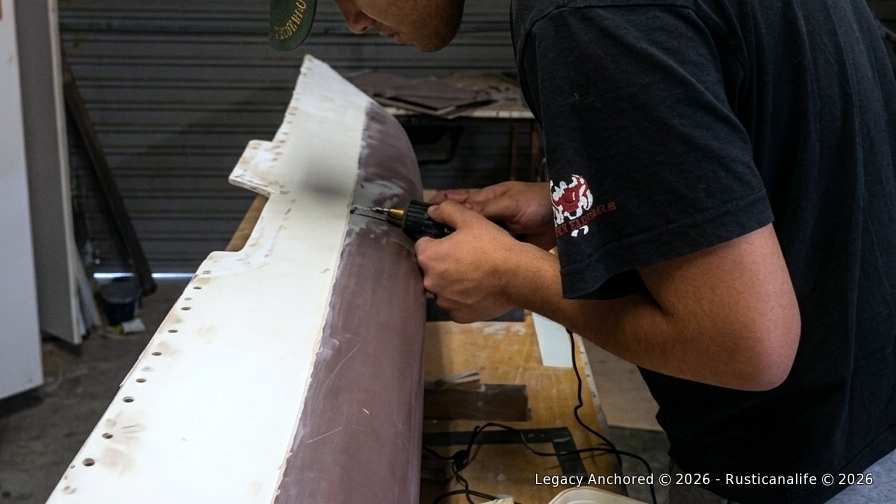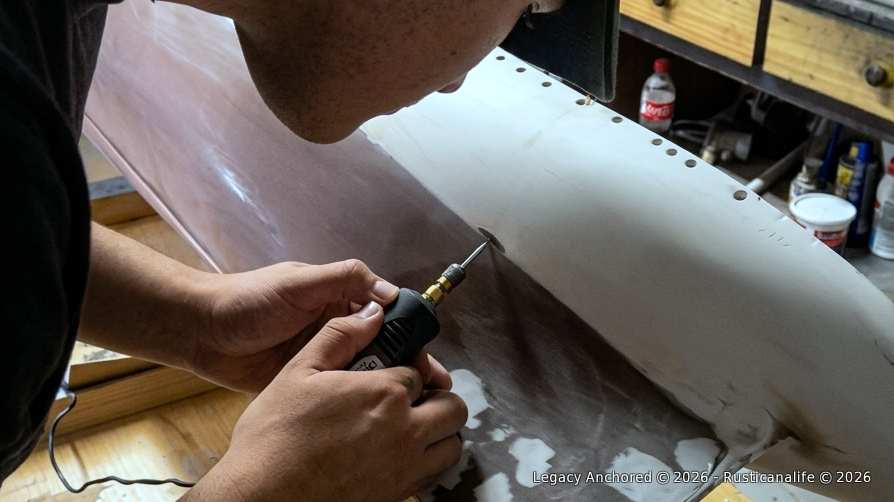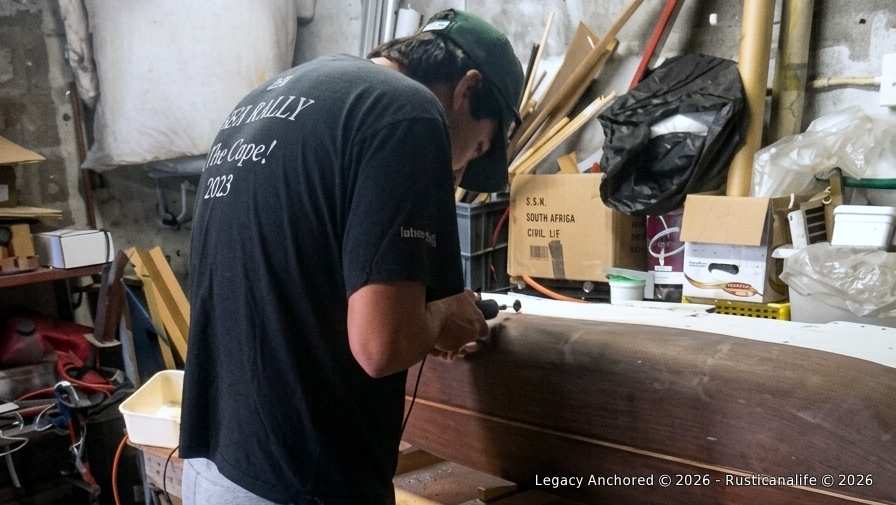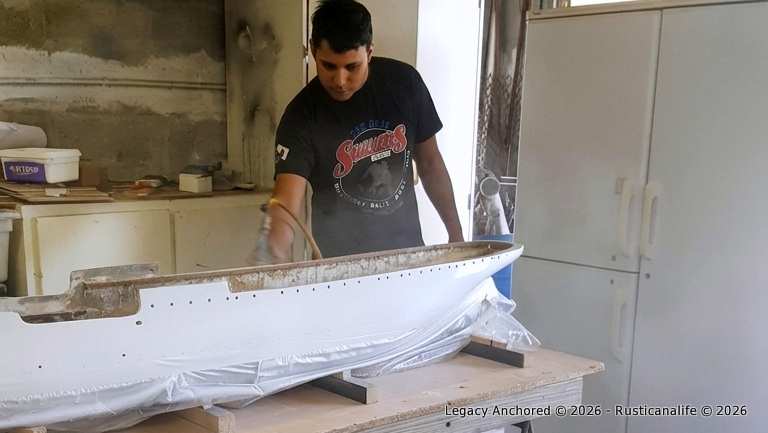
Painting, anti-fouling and masking waterline finishes.
Gallery in post below.
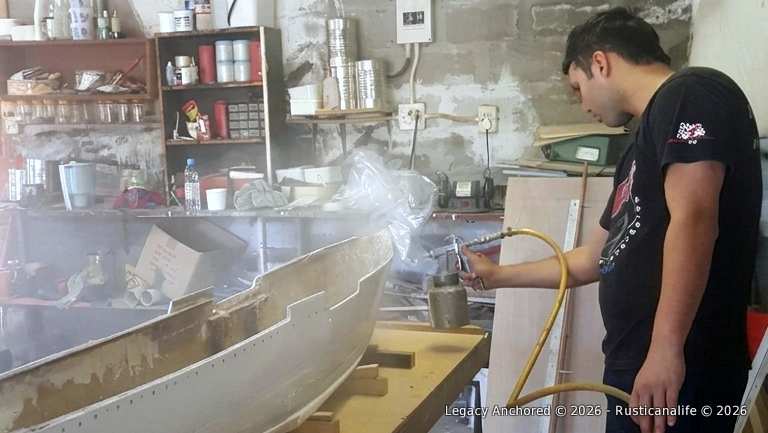
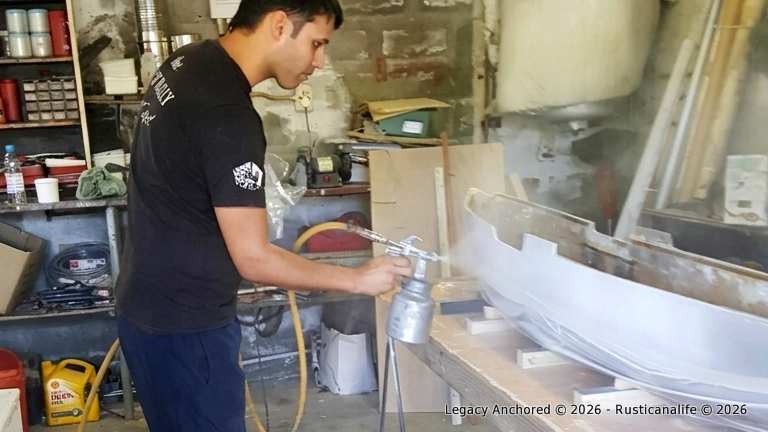
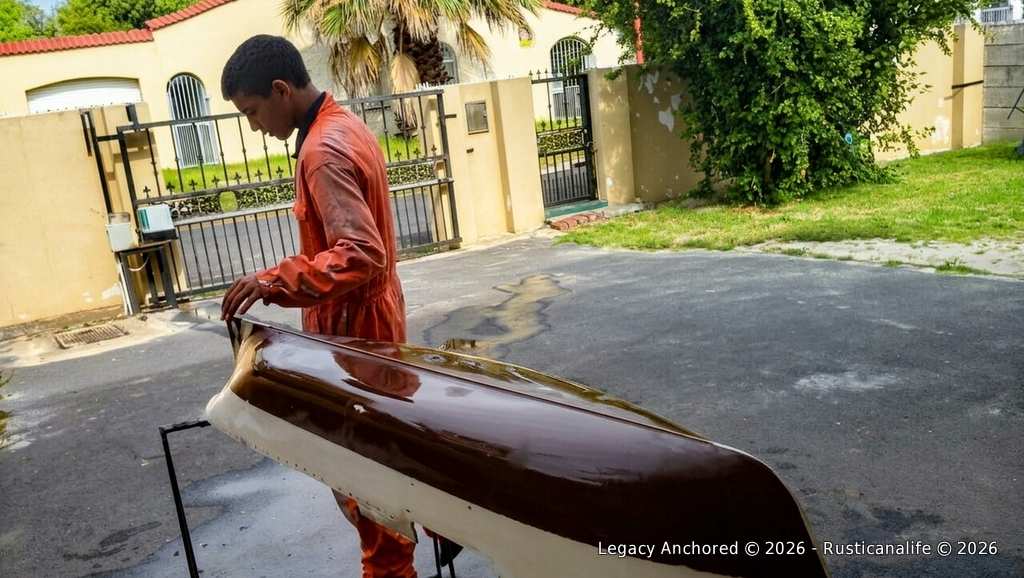
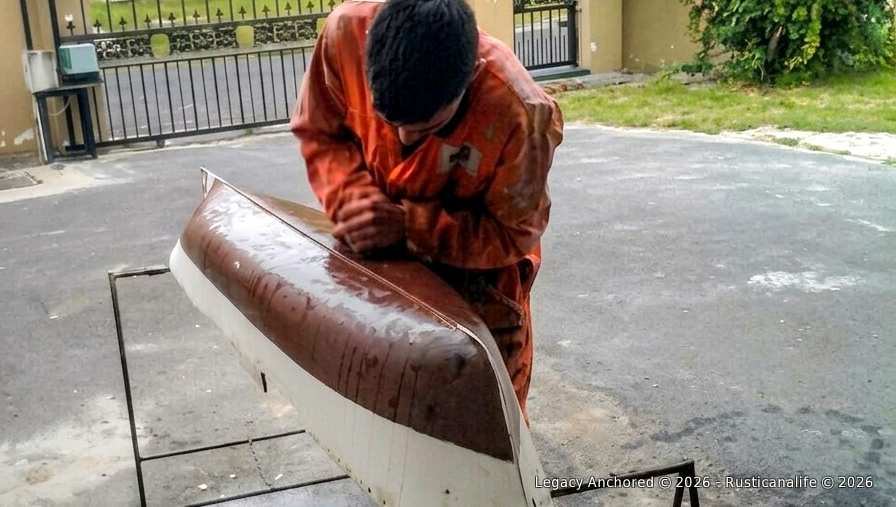
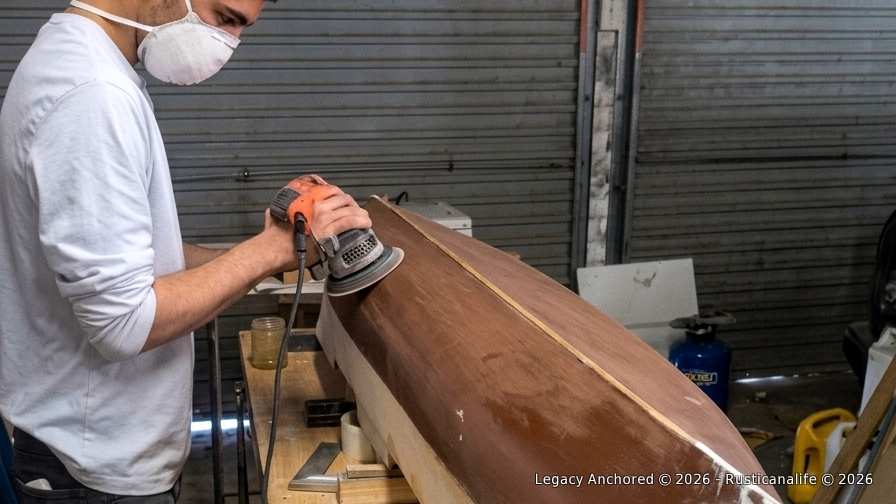
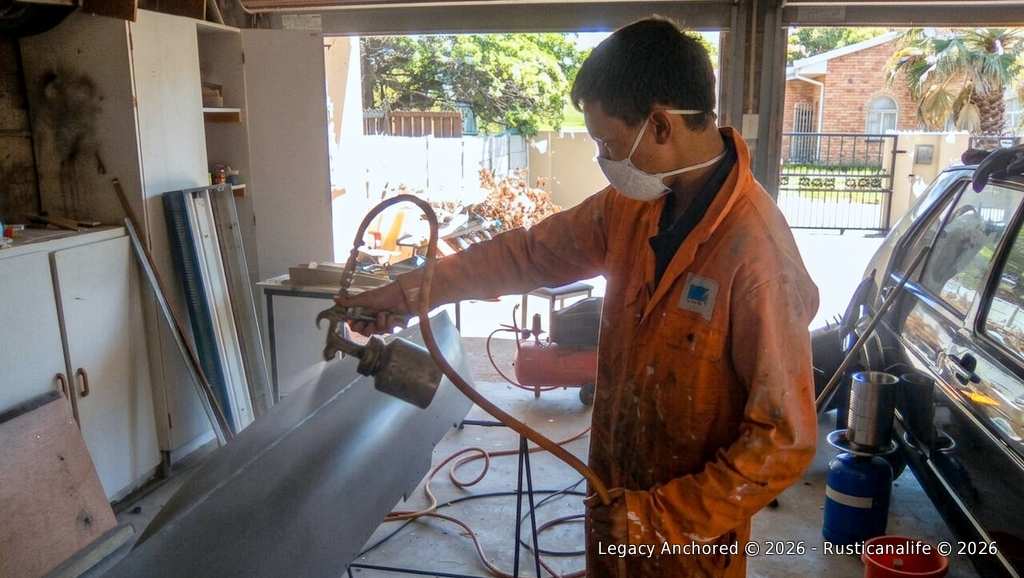
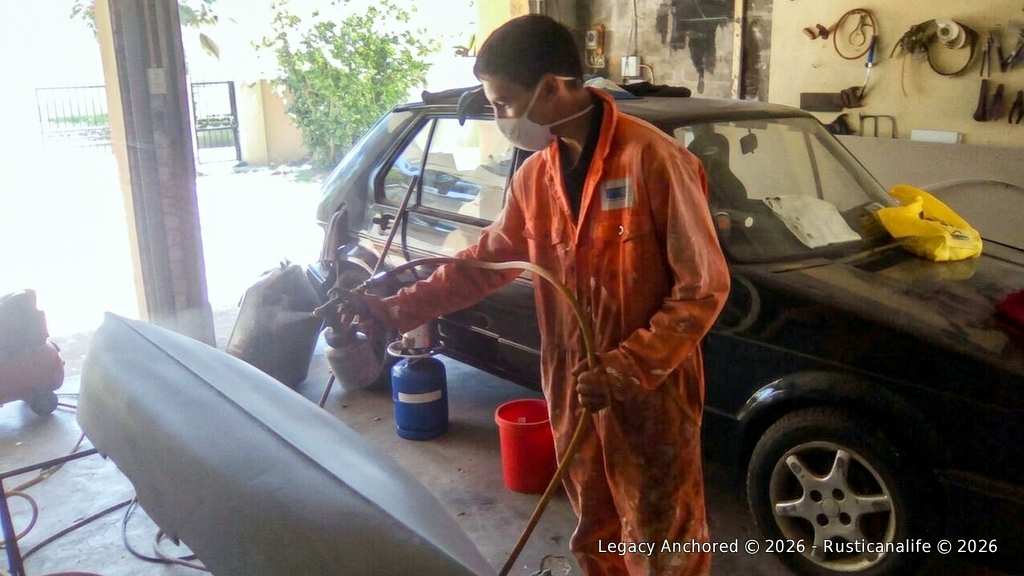
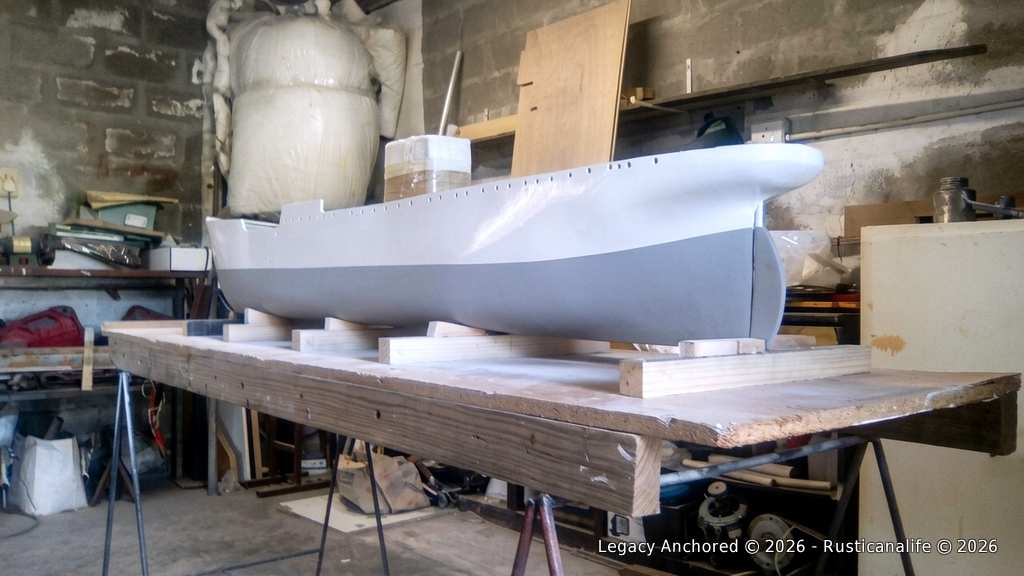
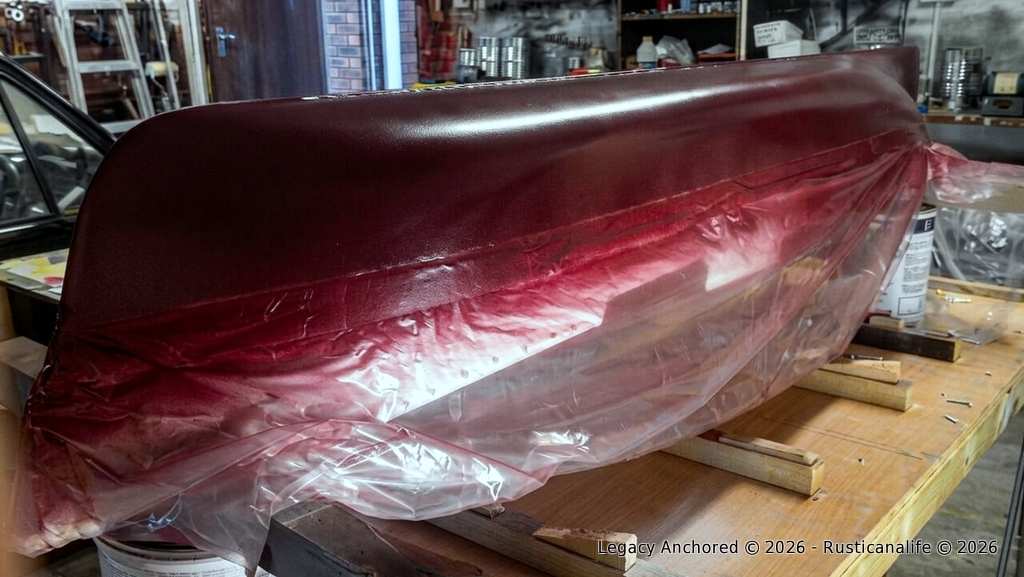
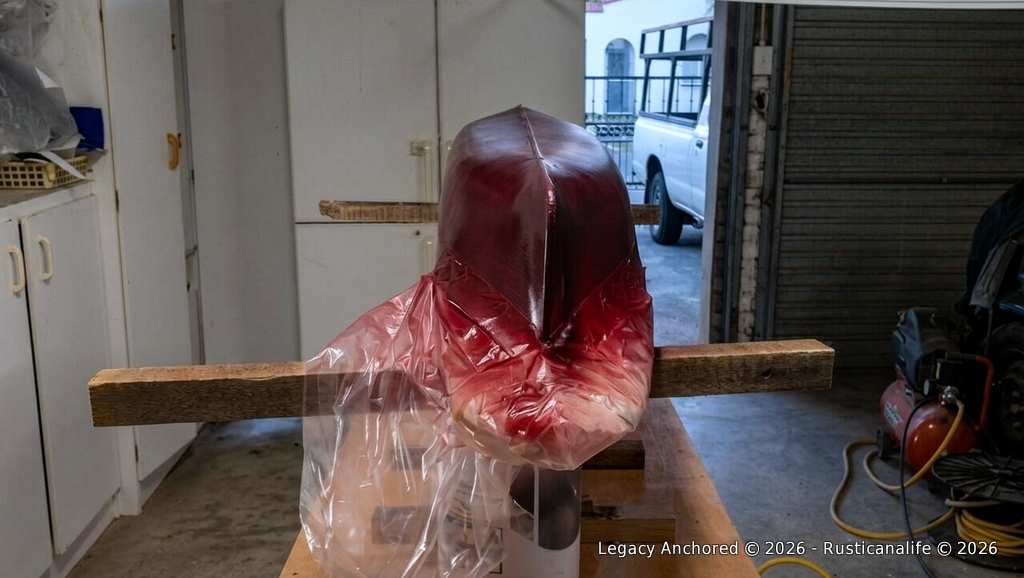
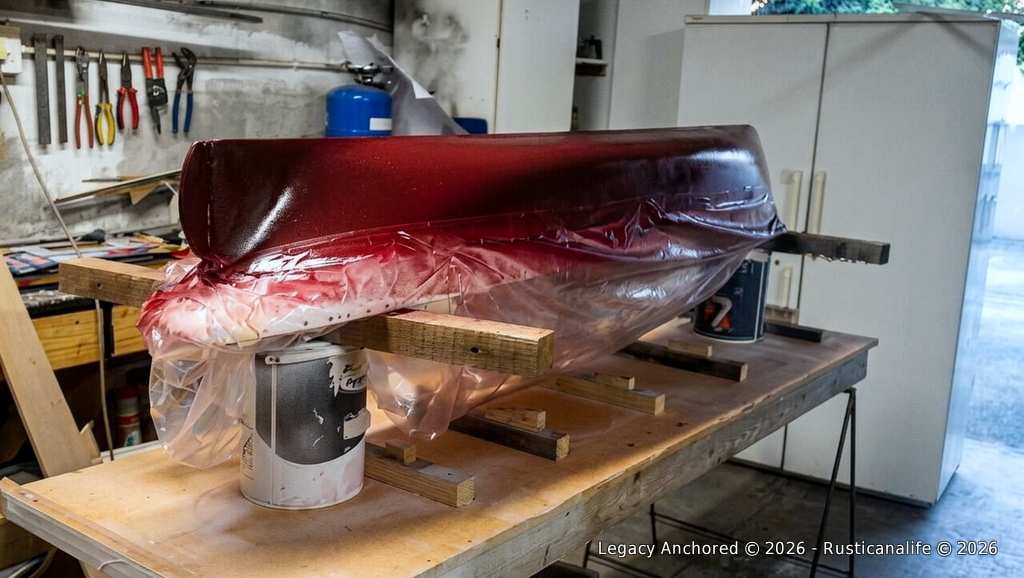
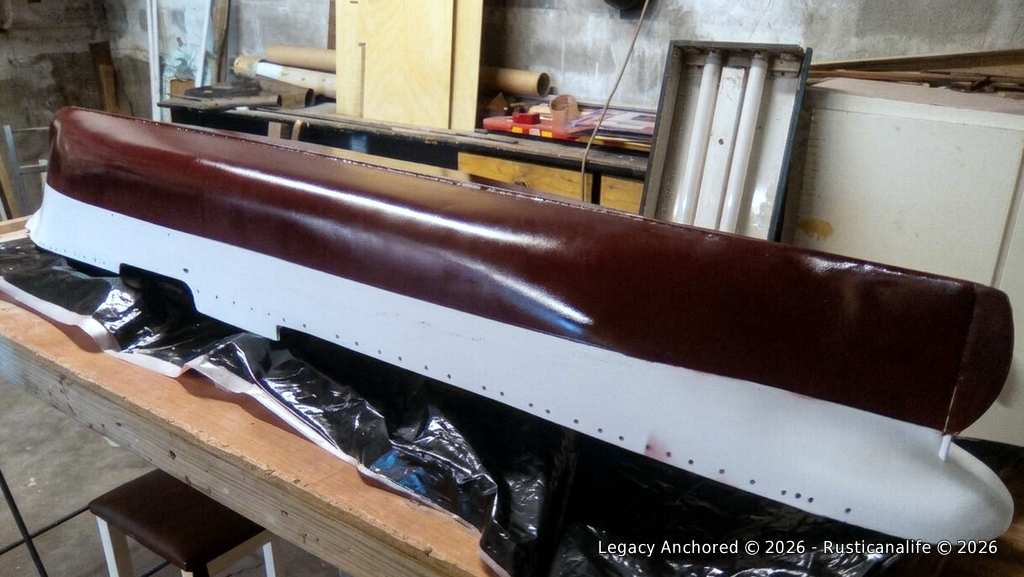
With the hull primed and sealed, the project advanced to one of its most visually striking phases: the application of the anti-fouling paint. This specialised marine coating serves a vital functional purpose in real-world shipping, protecting a vessel's submerged hull from marine growth and barnacles, while also defining the classic aesthetic profile of a historic sailing ship. Bear in mind, this is just a model of a ship and would never see the ocean.
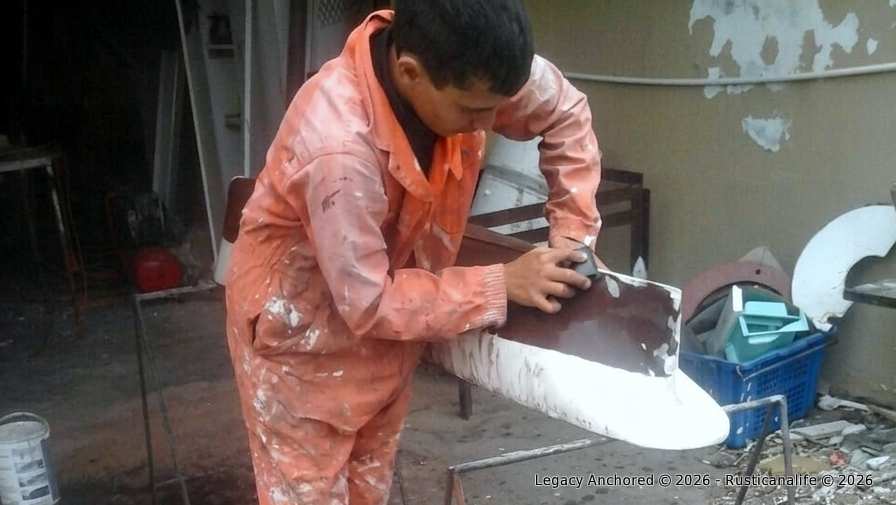
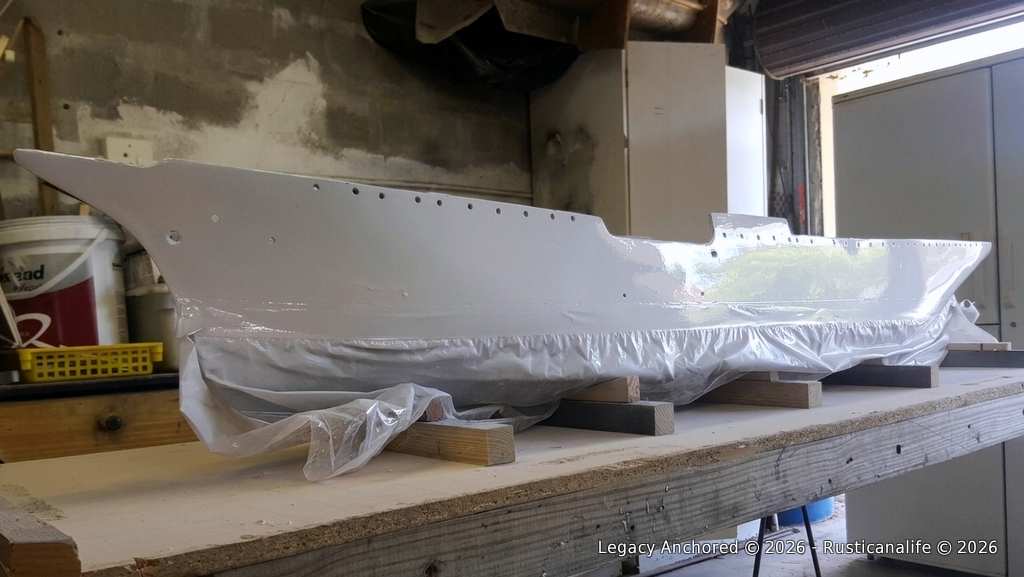
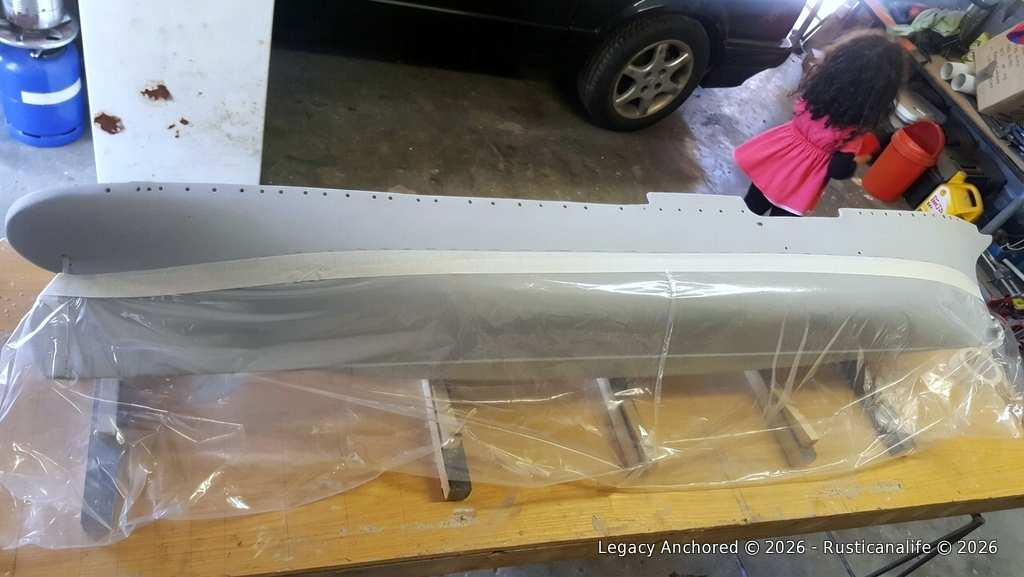
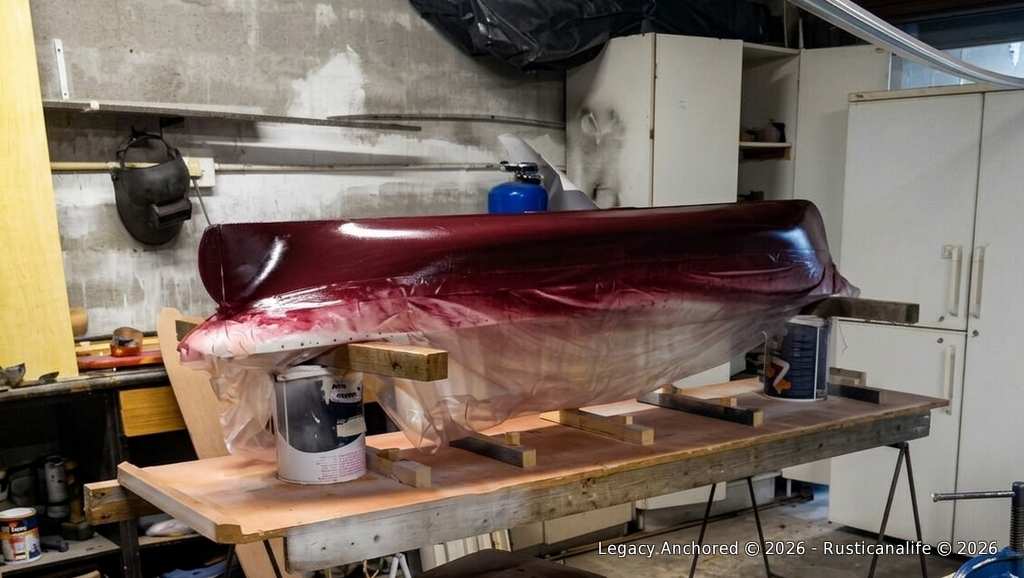
Because precision is everything when defining a vessel's lines, this stage demanded meticulous collaboration. My late father, my youngest brother, and my son worked closely together to handle the delicate process of masking off the waterlines. Every strip of tape had to be laid down with absolute accuracy to guarantee a razor-sharp demarcation between the upper topsides and the submerged anti-fouling bottom paint. Once the masking was secure, they moved on to the spray painting, applying smooth, even coats of rich, traditional paint that transformed the lower hull and brought the model a significant step closer to its authentic, seaworthy appearance.
It must be noted that the hull was spray-painted and repainted a few times due to mistakes that were made.
For a closer look at the techniques, staging, and the finished results of this collaborative effort, explore the detailed photo galleries and supplementary documentation linked below.