The joys of “Load Shedding”: Our Brandvlei electricity saga.
In South Africa, load shedding has become the uninvited guest that refuses to leave, a persistent shadow over our daily routines. While I generally prefer to steer clear of the political fray and the exhausting debates surrounding Eskom’s infrastructure, there are moments when the systemic failure of the grid lands right on your doorstep—or in this case, right on your kitchen wall.
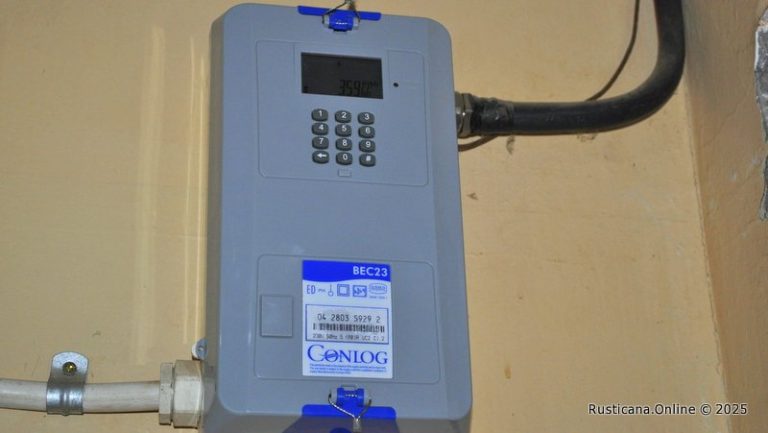
The electrical grid's constant "on-again, off-again" cycle isn't just an inconvenience; it’s a physical assault on sensitive hardware. I am convinced that the harsh surges and sudden drops finally pushed our main house’s prepaid electricity dispenser over the edge. These components were simply never engineered to withstand the mechanical stress of being slammed on and off several times a day.
The crisis announced itself while I was back in Cape Town. I received a concerned call from my neighbour in Brandvlei, who noticed that our security system hadn't been sending its customary status pings. In a small town, that kind of neighbourly vigilance is worth its weight in gold. A quick investigation on their end confirmed the worst: the dispenser was stone-dead, leaving the house in a total blackout.
Recognising the urgency—and the risk of leaving the house unmonitored—my son and I quickly mobilised. We packed the essentials, stocked the car with a small mountain of road-trip snacks, and set off on the six-hour trek north. As the kilometres ticked by, I couldn't help but calculate the "hidden costs" of load shedding. This wasn't just about a faulty meter; it was the fuel, the time, and the logistical gymnastics required to fix a problem caused by a failing national utility.
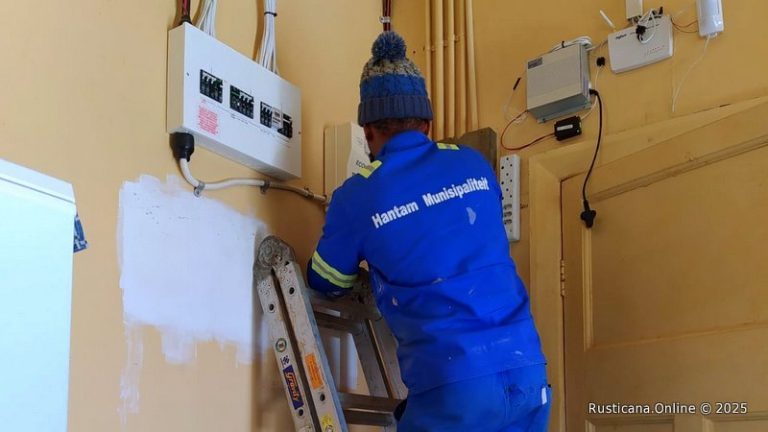
Upon arriving at Rusticana, our suspicions were confirmed. The dispenser was a lifeless plastic box. We headed straight to the local municipal office to report the failure. To their credit, the local team was incredibly responsive. They managed to dispatch a technician to install a brand-new meter within a reasonable timeframe. Watching those little digital numbers flicker back to life was a massive relief.
To be safe, we decided to stay an extra twenty-four hours to monitor the new installation and ensure the house’s systems hadn't suffered any secondary damage from the surge. It was a productive stay, but a stark reminder that even when you are hundreds of kilometres away, the reach of the energy crisis can still find you. It’s a testament to the resilience we all have to build into our lives—and our homes—just to keep the lights on.